What listening actually requires
I volunteer at a hospital. I sit with patients, and I listen.
A while ago I visited a man who wanted to tell me his story. He asked if he could tell it as spoken-word poetry. From his hospital bed, with legs that had stopped working, he rapped his whole life to me. A childhood of severe abuse. A father gone. Running away at thirteen. Drugs, and years of everything spiraling. And in the middle of it, having to ask the very woman who had hurt him most to raise his daughter. Years later he was getting clean and decided to reconnect with his family. He found his daughter thriving and his mother near the end of her life. He came to understand that what she’d done to him had nothing to do with him, and he found the courage to forgive her completely, and to care for her until she died. He rapped all of it to me. And we cried together.
I didn’t fix anything. I didn’t say the right words. When he asked if I wanted to hear his story, I said yes, and I listened. That was all it was. As I left, he told me the visit had been well timed. He said the time together had reminded him he was loved. I never told him that. I just sat down when he asked me to, and I listened.
I’ve thought about that a lot, because it’s the same thing that happens in the room at the Triad.
Every artist you hear at A Night at the Triad is doing what that man did. Even someone who gets up and sings “On the Sunny Side of the Street” if you really listen, you’ll hear all of it: the joy, yes, but also the fear, the grief, the full lived weight of a human life. They’re opening that up and offering it to us. That is their gift. And our gift back — the gift we start to give just by being there — is to really listen. Artists create from the place in the individual human heart that touches all other hearts. Can we listen from that place?
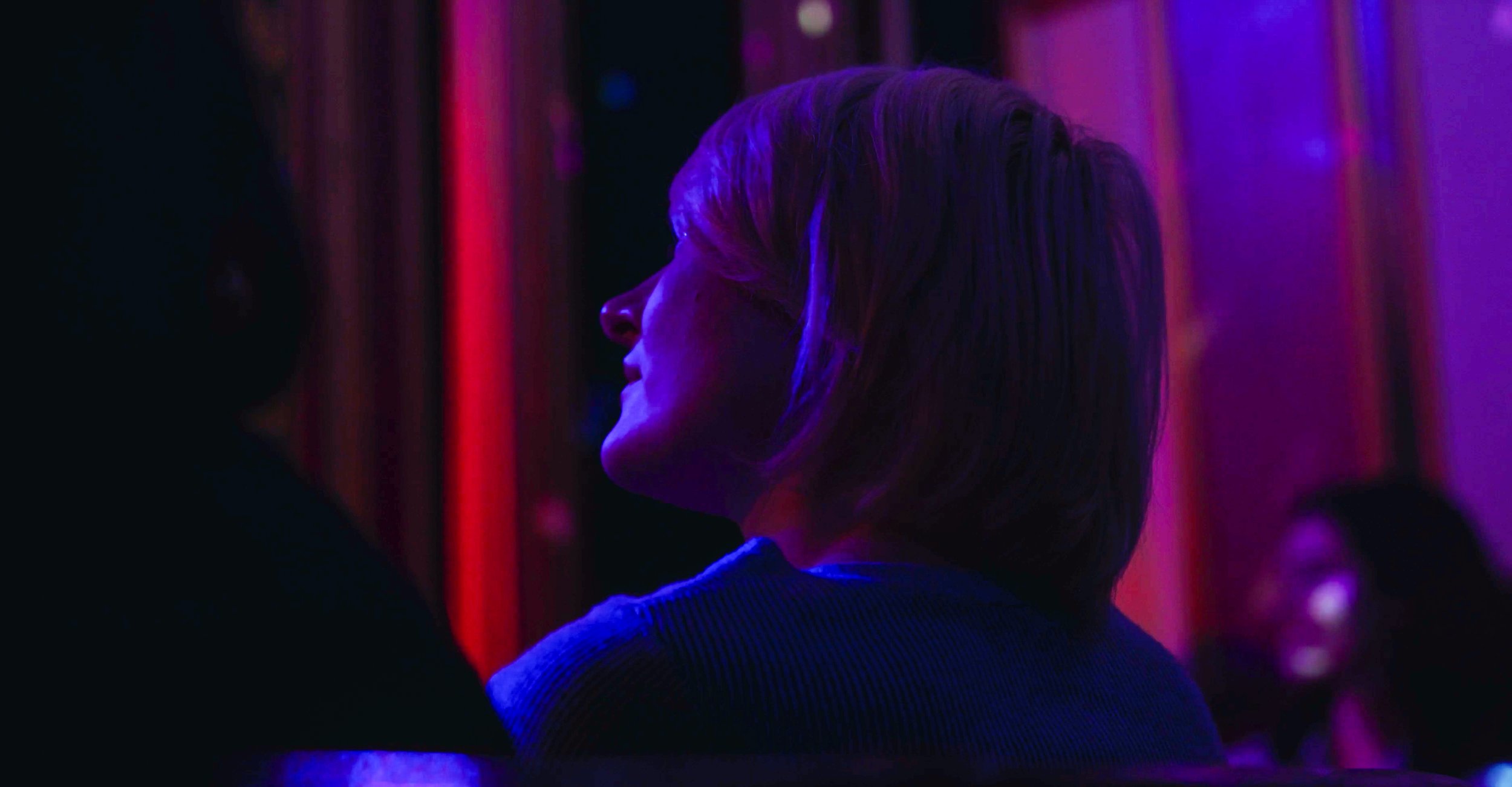
An audience listening intently during A Night at the Triad.
Real listening isn’t what we usually do. We consume more music than any people in history, most of it while we’re doing something else. We’ve built lives optimized for efficiency, and receptivity isn’t efficient. Listening’s close cousin, compassion, grows out of a depth of understanding that needs silent, undistracted time, and our technologies promise to fill every silent, boring space and streamline connection for us, clearcutting the tangled forest of human relationship. Somewhere along the way, listening became a thing that happens to us instead of a thing we do.
So what does it actually require?
First, it takes some work. It’s not so hard to love your family, your friends, your mini golden doodle. But the wider kind of love that reaches beyond your family out into the world doesn’t just happen. It comes out of our feeling of empathy, and empathy needs exercise. We have some marathon runners in our community. They train for months to keep their hearts healthy. We have to put in that same kind of work to keep our hearts open. And we do that by coming out, meeting, sharing, listening.
Second, it takes presence. Perhaps the most valuable thing one person can offer another is simply to be there. To give someone your whole attention is real love. I first experienced the power of presence at the bedside, but now I see how it can transform a whole room.
Third, it asks us to rethink our frame. Out in the world a lot of people are asking: what’s mine, and how can I hold on to it? In this room, we’re asking something else: who are we. Not who am I. Who are we. Because the basic unit of human existence is we, not I. We know this in our hearts, but often act like we forgot. Like we are separate entities that occasionally connect. The connection is the whole thing. The relationship is what we actually are.
That’s why our presence in the room matters. When a hundred people sit shoulder to shoulder, and a piece of music moves through them, something happens. For a few minutes, nobody’s asking what’s mine. We are just we. And nothing meaningful changes in this world without that kind of listening. The kind that makes people feel heard. That’s the ground on which healing begins.
When the listening is real, the artists feel it, and it changes what they’re able to give. The listening and the giving feed each other, around and around, until the room is filled with something more than the sum of the people in it. And that’s what we take home into our lives.
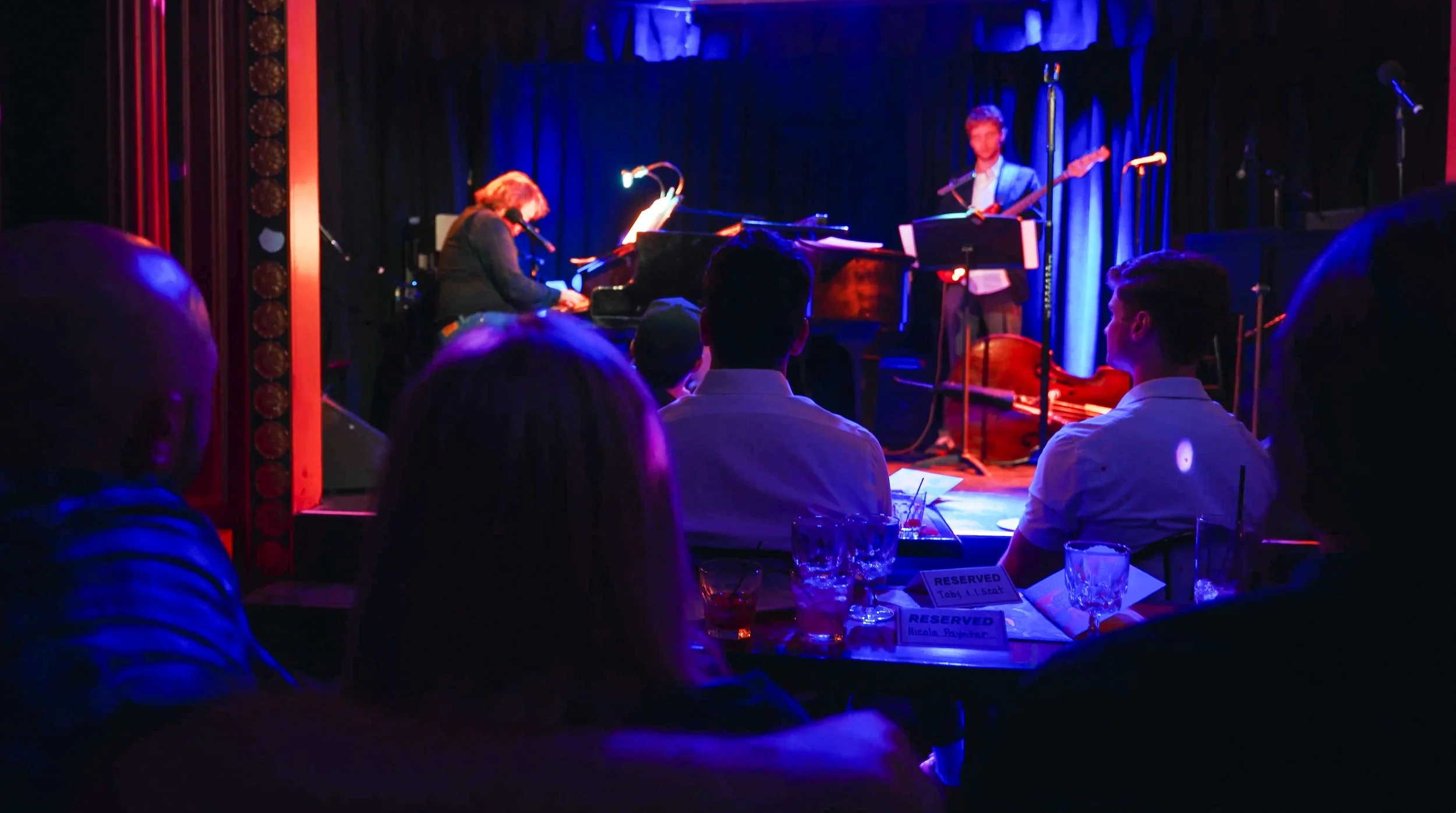
An audience listening to Jonny Rosch and Neal Perrine during A Night at the Triad.
So we’re really inviting you to a kind of practice. Not just an event. Come sit down. Let the music move through the room. Listen from the same place the artist is giving from.
We don’t need to fix the world’s problems. We just need to do what we do at these shows: sit with each other, and really listen. To the artists. To each other. When we do, people feel connected. People feel cared for. People feel loved.
It doesn’t seem like much. But I believe it’s everything.